
-
Where Structure Began
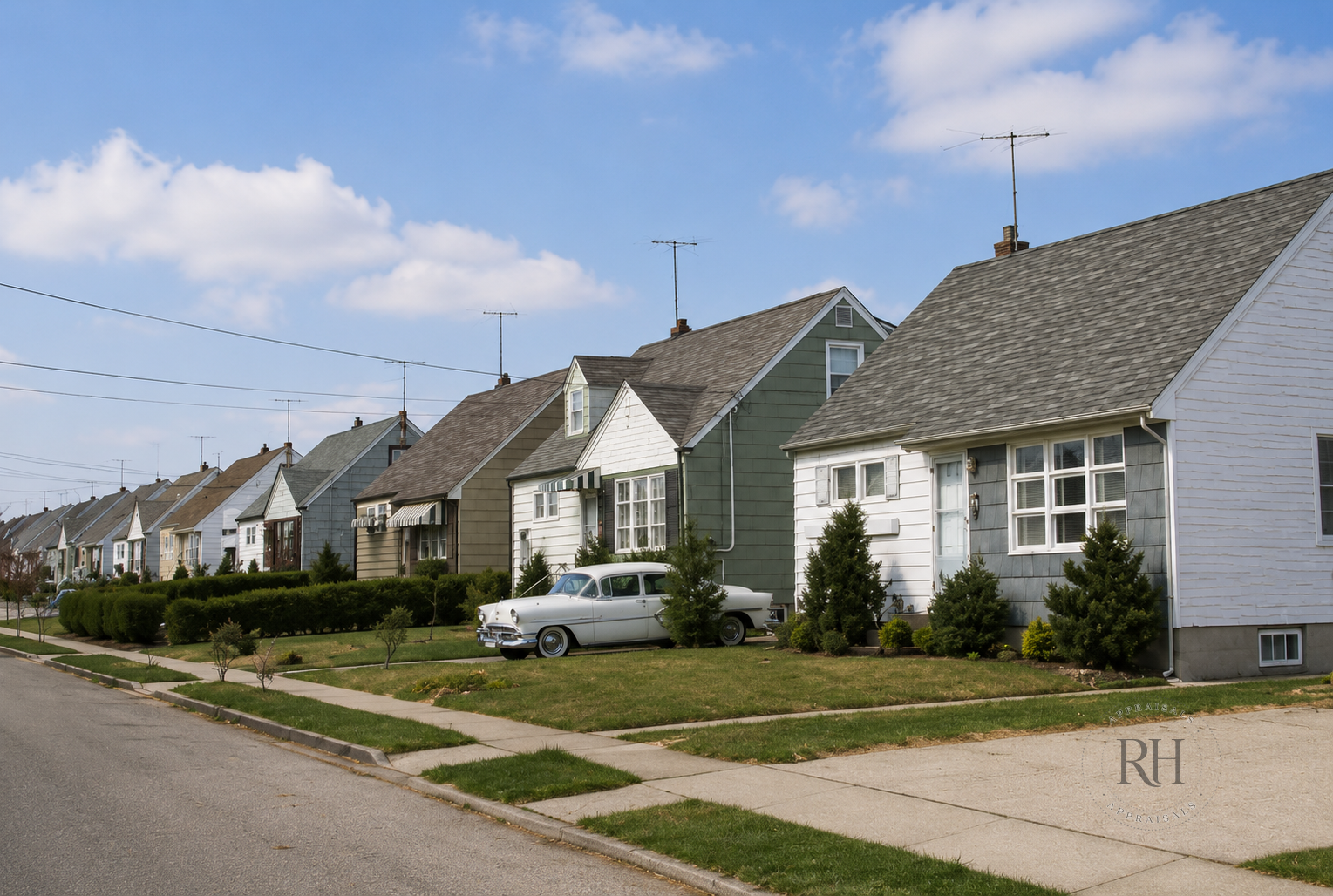
“Can you still see yourself riding your Schwinn bicycle down that street, the street lights coming on, hearing your name as your mother calls you home for dinner?”
Before my father returned home from World War II, he carried a small memorandum book with him throughout the war.
Most of its pages contained wartime entries.
But hidden deeper inside, far from the war itself, were pages about the future.
On those pages my father began calculating the costs of the home he hoped to build someday for his family after the war had ended.
He listed furnishings room by room.
The living room.
Lamps.
And at the top of the list:The Kitchen Table.
Long before the house existed.
before the mortgage.
before the GI Bill papers.
before the blueprints.The foundation of our family legacy was already being imagined by a young soldier trying to survive the war and return home.
Before there were Family Offices, there was a kitchen table.
In 1949, my parents purchased their modest Cape Cod style home in Clifton, New Jersey using the opportunities made possible through the GI Bill after World War II. Like millions of young American families rebuilding life after the war, they were not thinking about legacy in grand terms. They were thinking about stability.
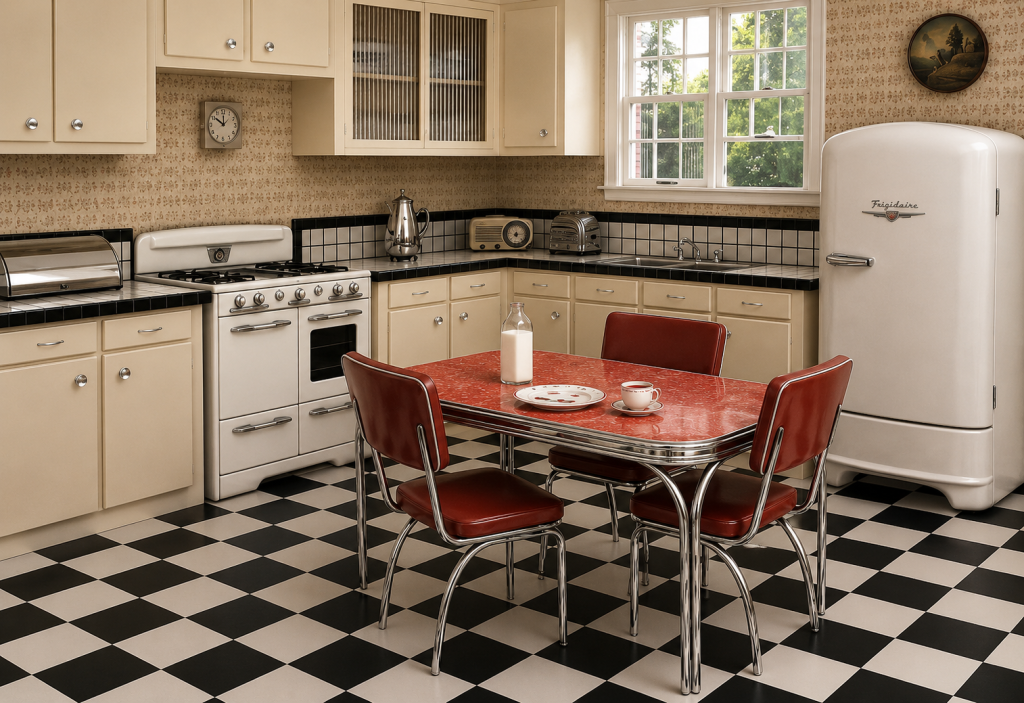
Perhaps enduring legacy has never truly begun with wealth. In 1949 post war, it began with structure and discipline.
Structure begins at the table. Discipline creates continuity.
A mortgage.
A home.
A future.
Children.
Continuity.Suddenly there were neighbors.
Kids on the block.
Schwinn bikes hastily laid on the front lawn or at the curb of the home.
Mothers in aprons calling everyone home for dinner which was served promptly at 6:00 p.mAnd precisely at 5:30 p.m. each evening, fathers walked up the street from the bus stop or train station that carried them home from New York City — dressed in gray business suits, ties and fedoras, carrying briefcases that looked almost like luggage — making it home in time for their seat at the kitchen table.
The war was over.
Ordinary life had begun with discipline and continuity and most importantly…structure.