Marriage at the Center

Formation Before Fortune – The First Governance Room


There was a time when nearly every American kitchen shared the same quiet architecture. Chrome legs. Red Formica. Four chairs pulled close.

Not because of fashion. Because of formation. Mid-century television — Father Knows Best, Leave It to Beaver, I Love Lucy, did not invent the marriage at the center of the home. It reflected it.

Different temperaments. Different dynamics. Yet the same interior framework: A marriage anchoring the structure. Children felt secure not because life was conflict-free, but because the structure held.

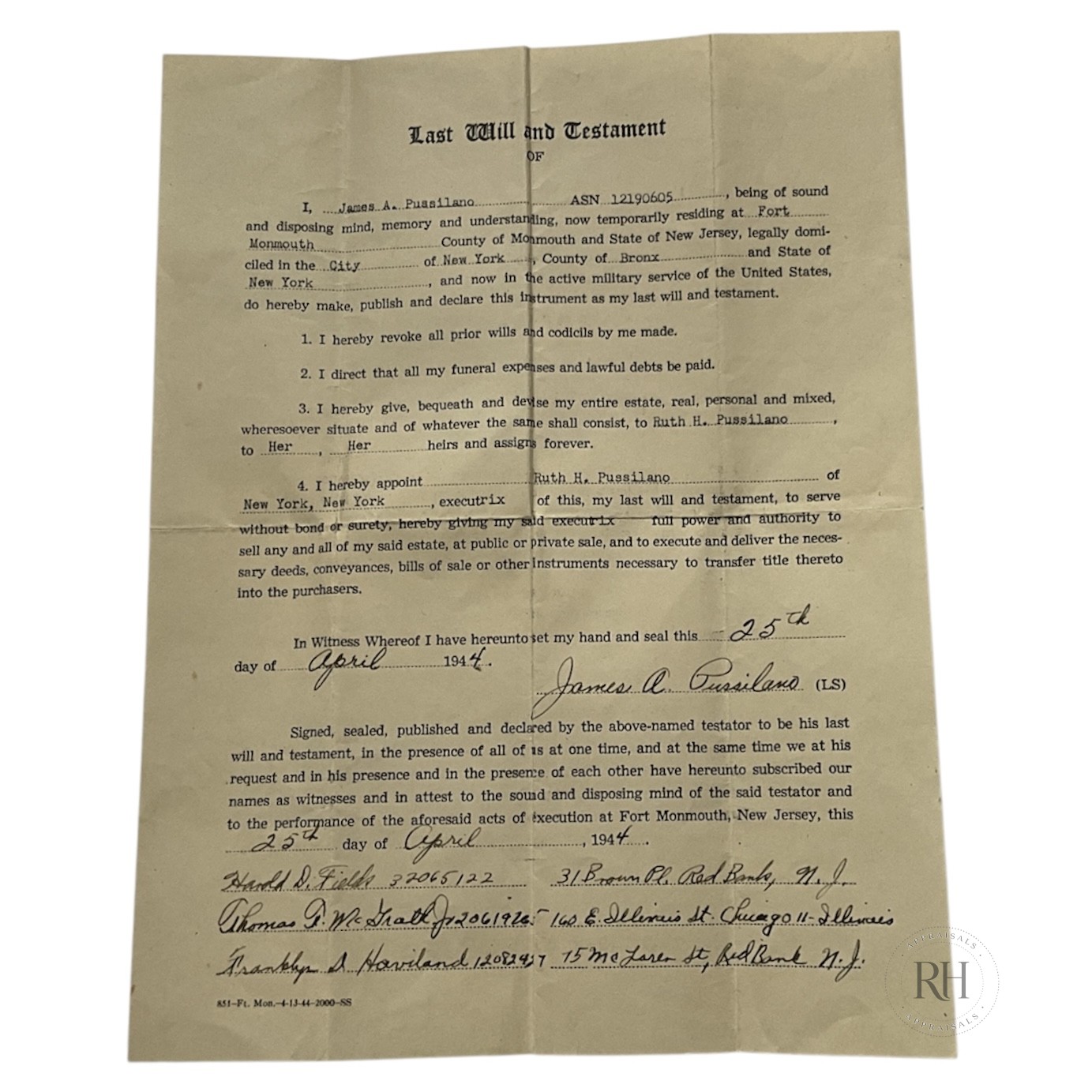
Disagreement occurred within it. Humor unfolded within it. Correction happened within it. The interior was anchored. After World War II, millions of American men returned home changed.

They had seen fragility.
They had seen loss.
They had seen how quickly life could end.

They did not return to inherit empires. They returned to wives. To fiancées. To modest kitchens. And they built, not for applause, not for visibility but to outlast themselves. Marriage was not sentimental. It was structural. It created continuity.

The table became the planning desk. Budgets were discussed. Risks were weighed. Children absorbed rhythm and responsibility long before they understood either.

Wealth, when it came, was not immediate. It was formed over decades inside partnership. Partnership preceded prosperity. No matter how far the day carried them, they returned to the table. At that table safety restored alignment. Alignment restored direction. Direction restored continuity.

The table was not furniture. It was formation.

Governance Formalized – Formation Continued


Today, family offices speak of governance. Boards convene to discuss continuity. Advisors guide succession planning across generations. And where do they gather? Around a table. What do boards sit around? A table. What do succession conversations require? A table.

Perhaps they are not inventing new systems of continuity. Perhaps they are unconsciously recreating the same formation pattern, a return to center, where safety allows alignment, and alignment sustains endurance.

The men who returned from war did not speak of legacy in grand terms. They simply built as if the future depended on them, because it did.

Enduring wealth does not begin with strategy. It begins with structure.

And structure begins at the table.