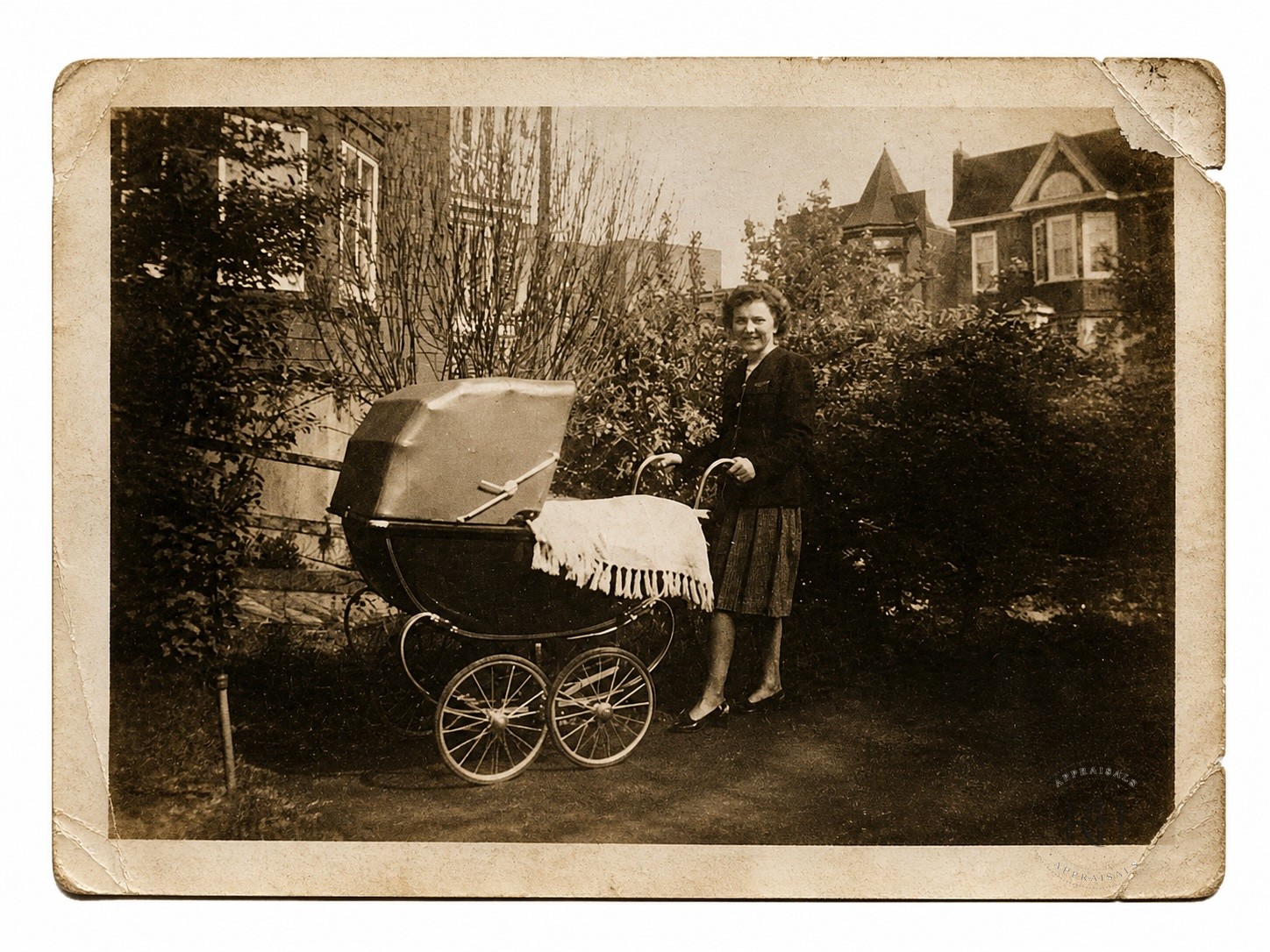
Chronicle II Prologue

France 1944 – A young American soldier of the Greatest Generation

The Soldier

He began at Yale when he received the call to duty. In an era when Ivy League halls were largely reserved for the affluent, he had already stepped into a world few young men from his background experienced.

Remaining there might have protected him. But he chose to leave. Not because he lacked ability, but because he enlisted.

At nineteen, in 1942, he joined the other “boys” from his town. They were called boys because that is what they were. Seventeen.
Eighteen.
Nineteen.

The word was not dismissive. It was descriptive. Like so many of his generation, he did not think of himself as brave. He thought of himself as responsible.

When he crossed the Atlantic, the world before him was unfamiliar. The weather had turned violent, delaying the invasion for days. The men waited aboard their ships, knowing they would soon step onto a shore none of them had ever seen.

The voyage itself was miserable. He later told his grandchildren that he had been terribly seasick during the crossing. Many of the young men were. The ship rolled through rough water as they made their way across the Atlantic toward a war none of them could fully imagine.

He had expected to land on the beaches of Normandy. Instead, he came ashore at Utah Beach in France, a country unknown to him, on sand he had never imagined standing upon. Nearby, the losses on other beaches had already shown how devastating the invasion could become.

War does not ask whether a young man feels ready. It asks whether he will go. And he went.

In later years he would tell these stories to his grandchildren, who gathered around him asking questions about the war. He often laughed when he remembered the rough Atlantic crossing and how seasick he and so many of the “boys” had been. The laughter came easier decades later than it had on that ship.


The Marriage

Before he shipped out, he married her. It was a small ceremony… A rented gown.
A best man.
A maid of honor. There were no estates. No grand receptions. There was simply a promise. He told her he would return. She believed him. That belief became their first wealth. The degree at Yale would remain unfinished.
The uniform would one day be folded away.

The vow endured. They would remain married for forty-six years. Four children followed. The promise held until her death, she died young. He lived on without her for a century.


The House

When the war ended and he returned home, there were no estates waiting. There was work to be done.

Across the country, a new kind of neighborhood was beginning to appear. In the mid-1940s, modest Cape Cod style homes were being built quickly and in large numbers as returning soldiers began to start families. Entire communities rose almost overnight.

They were simple houses. Practical.
Affordable.
Built for the future.

Through the GI Bill’s VA Home Loan Guaranty program, signed into law in 1944, veterans were given the opportunity to purchase homes with little to no money down. It was not charity. It was earned. Like many returning soldiers, he stepped into this new chapter with determination. At a red kitchen table, seated in a red kitchen chair, he signed the papers for a modest Cape Cod home in one of those newly developing neighborhoods. He was not thinking about wealth. He was thinking about responsibility. The house itself was small.
What it held would grow. Among the few things he had carried through the war was a small memorandum book. In it he recorded the journey in brief entries. But in the back pages were notes that had nothing to do with the battlefield. Calculations for the rooms of a future home. A living room.
A kitchen.
Lamps.
And a kitchen table.

Even while the war continued, the young soldier had already begun imagining the life he would build when he returned.

The soldier became a husband.
The husband became a father.

And within those simple walls, the foundation of a family’s future quietly began.

Turn the page